1. Smile Kenya Team Visit to Kinango
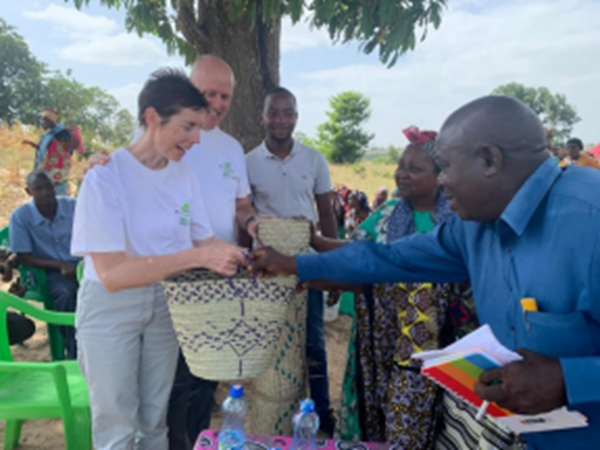
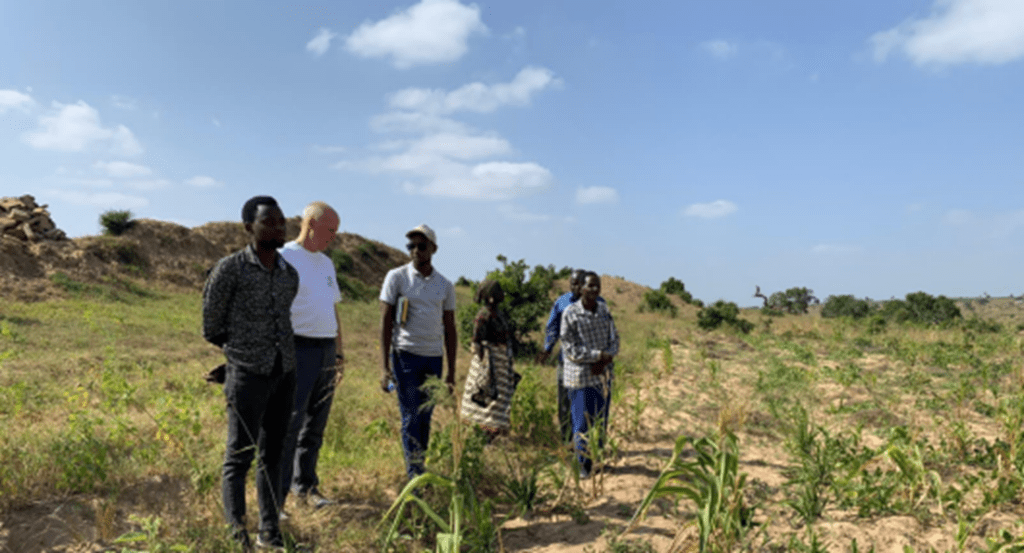
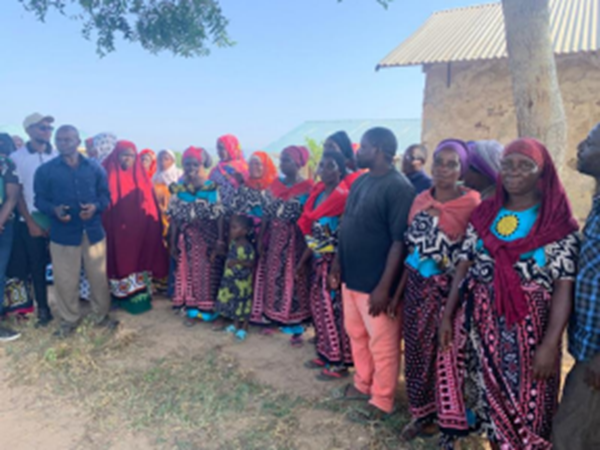
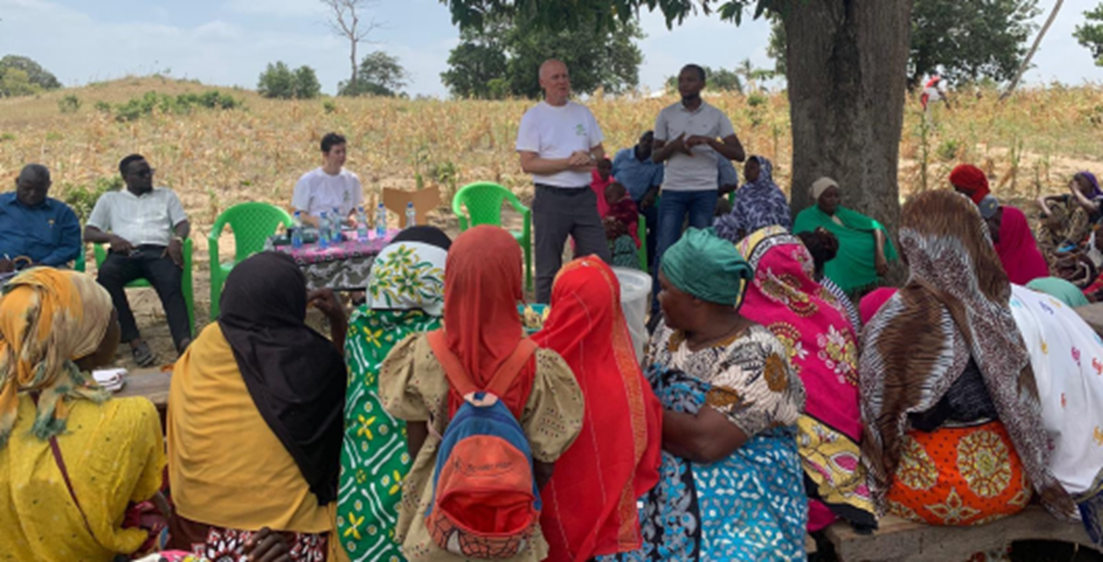
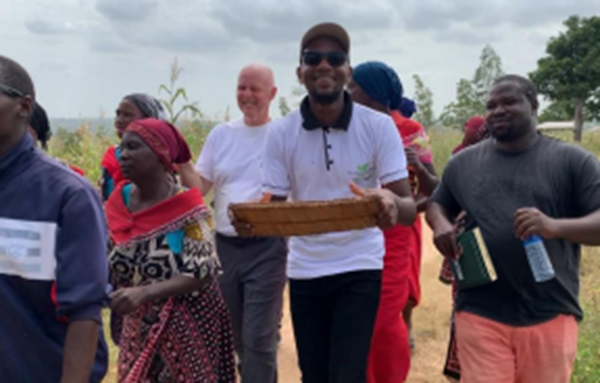
The month of January began with an important engagement with the Smile Kenya team, who visited Kinango to assess the progress of our initiatives and explore potential collaborations with local farmers. Prior to their visit, climatecare cbo mobilized farmers to form groups of twenty, successfully establishing ten farmer groups. These groups are essential in streamlining project activities, enhancing coordination, and ensuring effective knowledge transfer among farmers. On the first day of the Kinango visit, the team visited the Feathers of Hope (FOH) Model Farm, where they witnessed firsthand the progress made in sustainable poultry farming, climate-smart agriculture, Azolla Farming and solar power integration to the farm. Following this, we had the opportunity to meet and engage with the family of Charo, the project manager and a compassion alumni under Mr and Mrs Mathew Band. Later in the day, we proceeded to Ziaradundo community, where six eager farmer groups warmly welcomed the team.
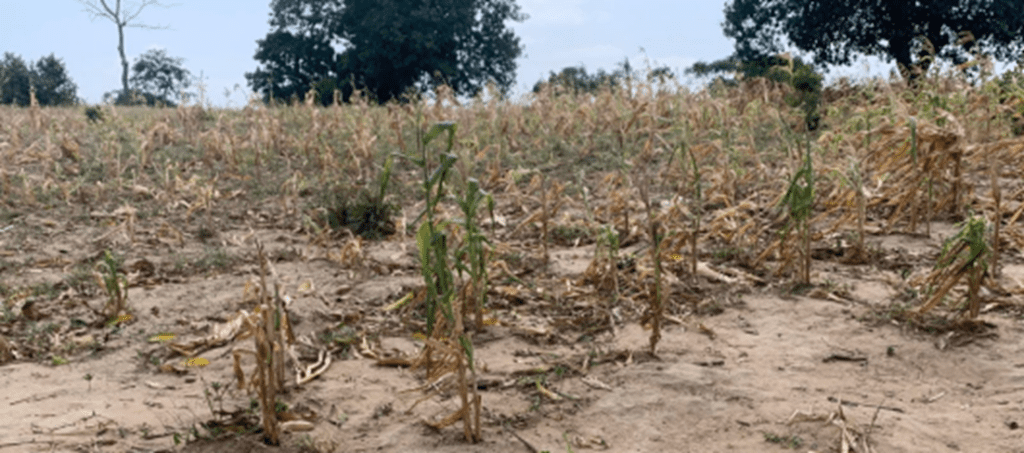
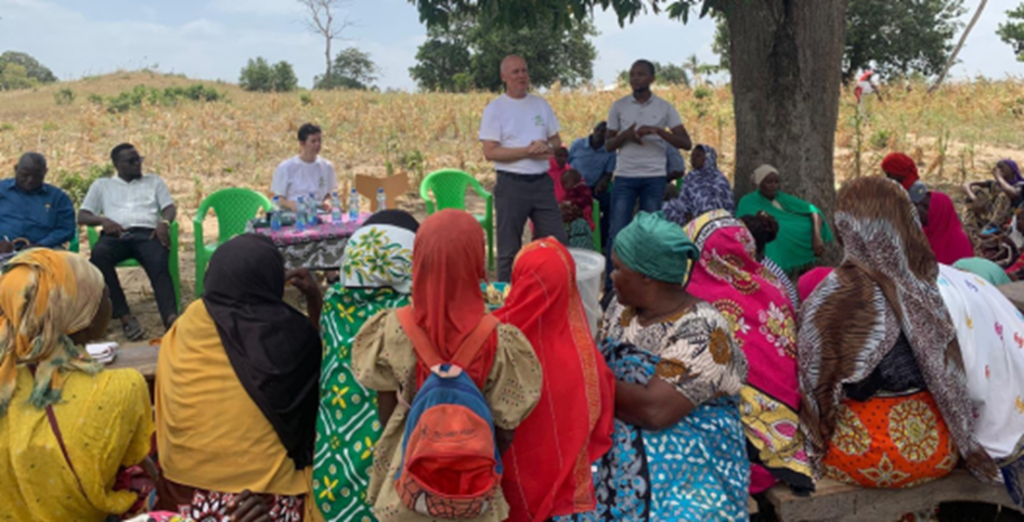
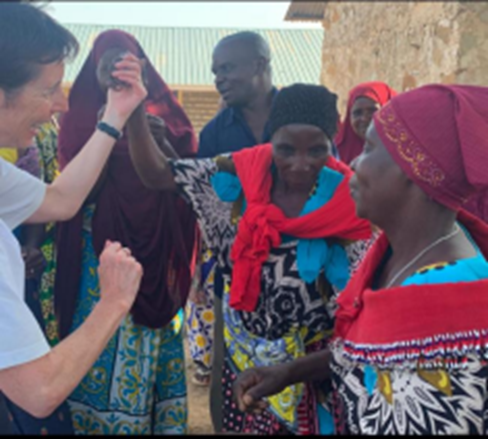
During the meeting, we explained the objectives of the FOH project, including the requirements for farmer participation. One group successfully raised the required subscription fee of KES 5,000, demonstrating a strong commitment to the initiative. The meeting was highly interactive, with an enthusiastic reception from the community. After the discussion, we toured farms in the area and observed the severe impact of failed rains on crops, reinforcing the urgent need for resilient agricultural solutions.
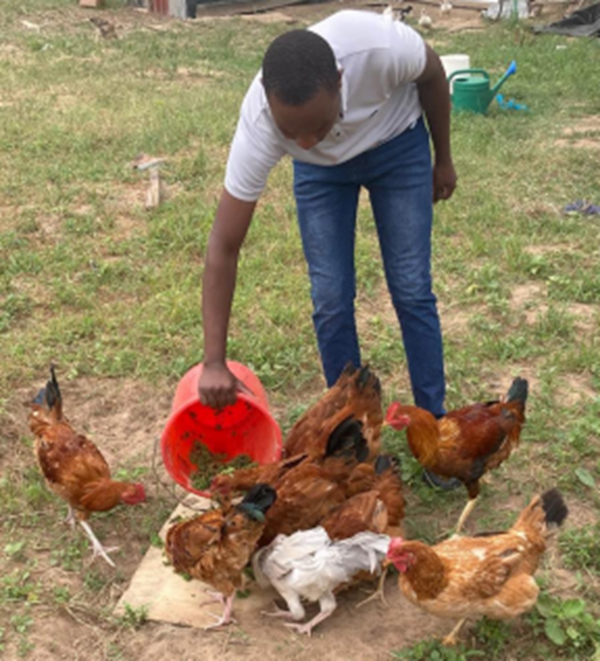
2. Visit to Funzi and Bodo Trust School Farm
A visit to Funzi provided an opportunity to observe the remarkable progress at the Funzi and Bodo Trust School Farm. The trip was insightful, allowing us to learn about their innovative agricultural practices, particularly in irrigation, the
use of shed nets, and farmer group engagement strategies. The knowledge gained from this visit will be instrumental in refining our own agricultural initiatives, particularly in implementing climate-smart techniques to mitigate the effects of erratic rainfall.
3. Second Visit to Kinango: Community and Water Project Discussions The second phase of the Kinango visit focused on strengthening partnerships and furthering community development efforts. We met with the new priest at St. Joseph Church, where the borehole that supplies water to the community is located. The Smile Kenya team was introduced to the new leadership, and we held a productive discussion about the way forward for the water project.
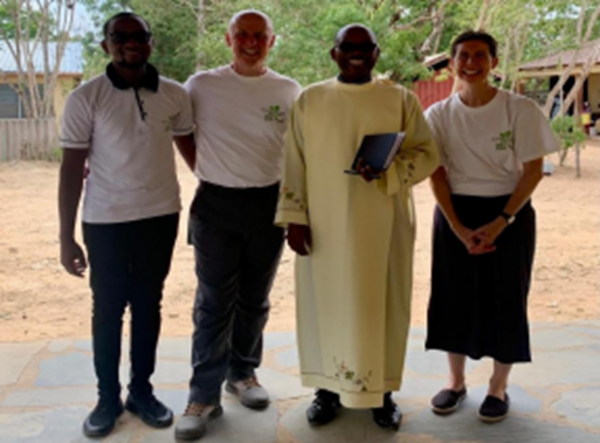
We also visited the alumni families of Compassion-sponsored children who were supported under Matt and Rebecca. This engagement allowed us to reconnect with past beneficiaries and explore ways to involve them in ongoing development projects.
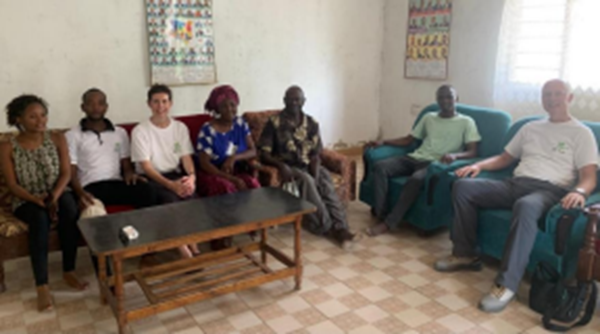
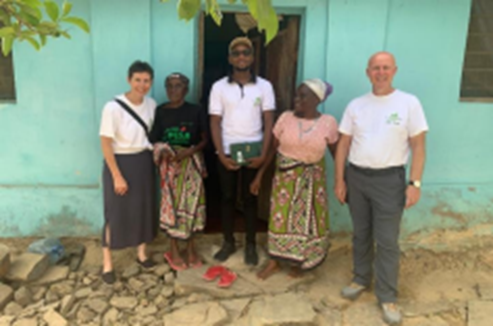
4. Visit to Gwadu Community
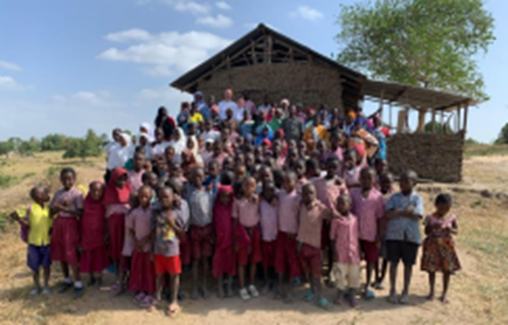
Another significant engagement was with the Gwadu community, where three organized farmer groups were eagerly awaiting our visit. The team received a grand welcome, showcasing the community’s enthusiasm for the FOH project. During the meeting, we elaborated on the project’s objectives, explaining how the community could benefit by joining and actively participating in our initiatives. The response was overwhelmingly positive, with members expressing readiness to start subscriptions and engage in project activities. This visit reinforced the importance of community-driven development and the willingness of local farmers to embrace sustainable agricultural solutions.the team visited the office to assess the progress we have made as climate care cbo.
Key Takeaways from January Activities:
1. Farmer Mobilization Success – The formation of ten farmer groups marks a significant milestone in improving community engagement and knowledge-sharing among farmers.
2. Increased Interest in FOH Project – The successful mobilization of farmer groups in Ziaradundo and Gwadu communities, along with one group raising the full subscription fee, demonstrates growing community confidence in the initiative.
3. Water Project Progress – Productive discussions with the St. Joseph Church leadership set the stage for a structured planning to come up with the piping infrastructure to the model farm and the community.
4. Lessons from Funzi and Bodo Trust School Farm – Observing best practices in irrigation and farmer engagement provides valuable insights to be incorporated into FOH’s climate-smart agriculture strategies.
5. Community Enthusiasm and Commitment – The strong reception from all visited communities highlights the readiness of farmers to work collaboratively towards agricultural resilience and sustainability.
Next Steps:
∙ Continue mobilizing and registering more farmer groups to increase outreach.
∙ Implement learnings from the Funzi visit, especially in irrigation and shed net use.
∙ Seek technical advice and consultation for the water project at St. Joseph Church
∙ Strengthen follow-ups with the newly engaged communities to support their integration into the FOH project.
∙ Conduct pre-training sessions which will involve preparing demo plots to prepare farmers for full training programs.
∙ Organize structured training sessions focused on climate-smart agriculture, poultry farming, and water resource management.
January was a highly productive month, setting a solid foundation for further progress in empowering communities through sustainable agriculture and strategic partnerships. The momentum gained will be instrumental in advancing our objectives in the coming months.
PHOTO GALLERY