
Executive Summary
The Feathers of Hope (FOH) poultry project faced a significant setback in December due to an outbreak of Coryza and Newcastle disease, leading to a substantial reduction in the flock size. Despite this tragedy, the project also recorded a major milestone in feed cost reduction through
Azolla farming. This report outlines the challenges encountered, measures taken, lessons learned, and progress in other activities.
1. Feathers of Hope (FOH) Project
Incident Overview:
Diseases Identified: Coryza and Newcastle disease.
• Impact:
• Initial flock size: 150 chickens o
Survivors: 61 chickens (some still unwell)
• Mortality: 89 chickens
Mitigation Measures
• Immediate isolation of sick birds to limit disease spread.
• Consultation with veterinary experts for diagnosis and treatment protocols.
• Enhanced biosecurity measures, including thorough disinfection of poultry areas. Vaccination of the remaining flock with new sourcing considerations.
Challenges Faced
• The rapid transmission and high mortality rate of Newcastle disease limited intervention success.
2. Successful Azolla Farming
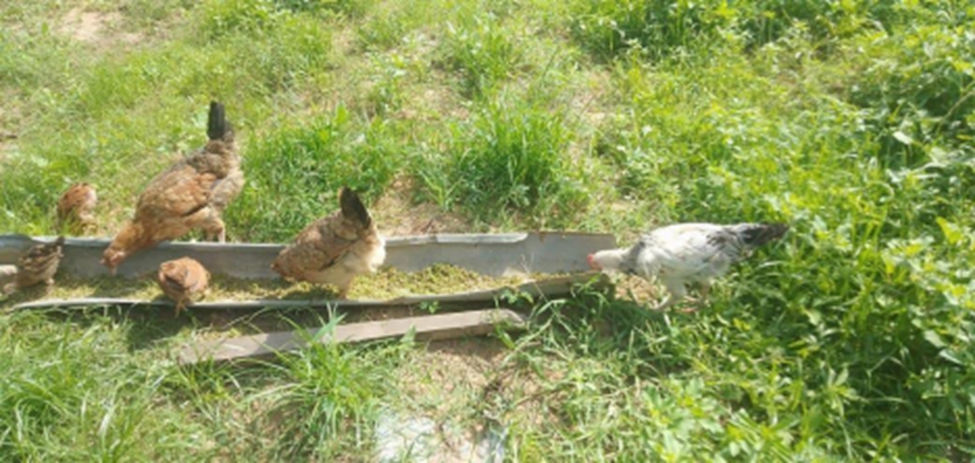
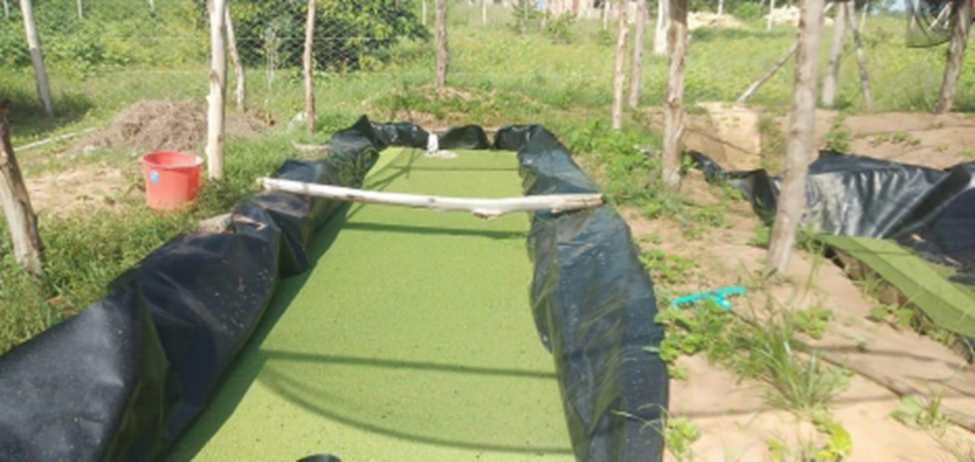
Amid the setbacks, the FOH Model Farm has achieved significant progress in reducing feed costs through Azolla farming:
• Impact: Feed costs have been reduced by 30%.
• Future Target: The project aims to reduce feed costs further to 50% by optimizing Azolla production and integrating it more extensively into the poultry feeds.
• Outlook: This innovation has proven effective in enhancing sustainability and resilience within the project.
Lessons Learned
1. Biosecurity Reinforcement: Strengthening farm hygiene and entry controls to prevent disease outbreaks.
2. Change of Vaccine Supplier: Procuring vaccines from reliable sources like Kenchic to ensure quality and efficacy.
3. Emergency Preparedness: Establishing protocols and resources for rapid disease response.
Way Forward
1. Rehabilitation of the FOH Project:
Develop a phased restocking plan after stabilizing the current flock.
Work with veterinary professionals to implement a comprehensive health management program.
Change the vaccine supplier for improved disease control.
Enhance biosecurity measures.
2. Azolla Farming Expansion:
∙ Scale up Azolla production to achieve the 50% feed cost reduction target.
∙ Train team members on advanced Azolla farming techniques to maximize output and quality.
3. Monitoring and Prevention:
• Establish a regular health surveillance system for early detection of illnesses. • Implement strict biosecurity protocols to safeguard the flock.
Conclusion
While the outbreak of Coryza and Newcastle disease posed significant challenges, the success of Azolla farming demonstrates the resilience and innovative capacity of the FOH Model Farm. These lessons and advancements position the project for a stronger, more sustainable future. ClimateCare CBO remains steadfast in its mission to support community development through robust and adaptable agricultural practices.
Prepared by:
Constatine Charo Tsuma
CC CBO Founder and FOH Farm Manager