
ClimateCare CBO Monthly Report November
The month of November was pivotal for ClimateCare CBO, with significant strides made in sustainable agriculture, operational improvements, and stakeholder engagement. This report provides an in-depth overview of activities, challenges, and plans moving forward.
1. Feathers of Hope (FOH) Model Farm
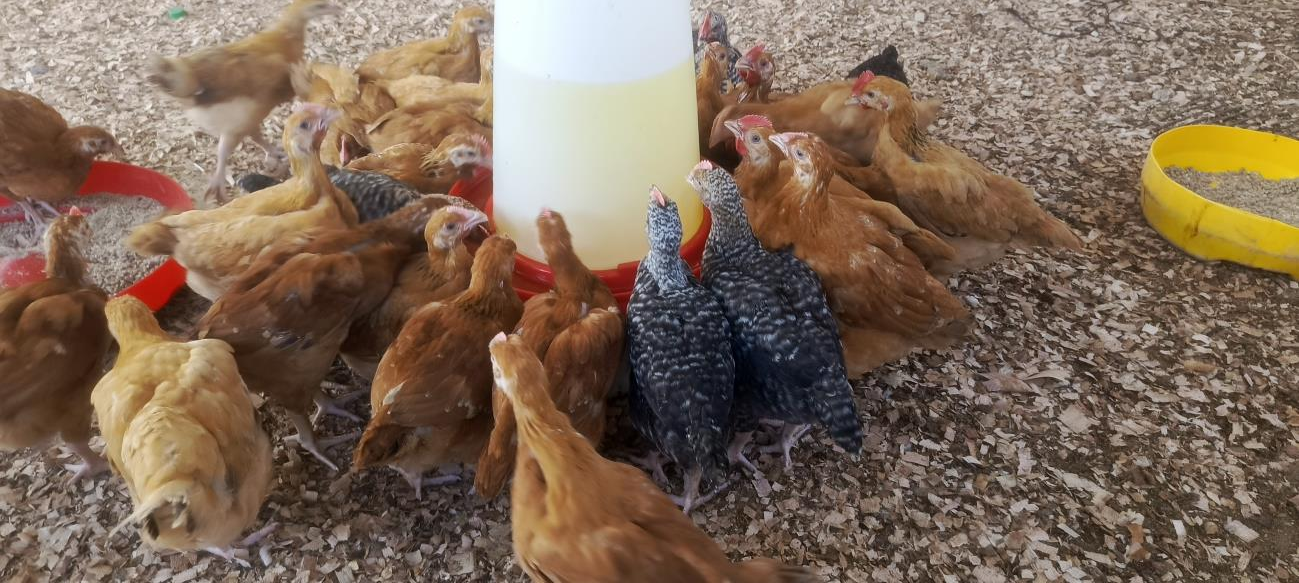
The FOH Model Farm experienced a high-activity phase as the chicks entered their heavy feeding stage. This required innovative approaches to optimize feeding and drinking systems, enhance bird welfare, and maintain productivity.
∙ Key Activities:
1. Introduction of Innovative Feeders and Drinkers:
▪ Iron gutters were repurposed into durable feeders to accommodate the increased feed demand.

Figure 1 Charo feeding the chicken
Figure 2 Nipple drinkers
▪ Nipple drinkers were installed to ensure a consistent and hygienic water supply, meeting the birds’ higher hydration needs during this phase.
2. Separation of Birds:
▪ Birds were relocated into two separate structures to reduce overcrowding, minimize stress, and allow better management.
▪ This also helped enhance hygiene and disease control.
3. Integration of Azolla Feeding:
▪ Cultivated Azolla was harvested and introduced as a supplementary feed. This not only reduced costs but also provided a protein-rich diet to boost
growth and health.

Figure 3 Harvesting Azolla
Disease Management: Coccidiosis Outbreak
The farm faced a disease outbreak, with coccidiosis affecting a portion of the flock. Despite the loss of nine birds, prompt action helped contain the disease.


∙ Measures Taken:
• Immediate isolation of infected birds.
• Anticoccidial medication administered across the flock.
• Enhanced disinfection of poultry structures.
2. Stakeholder Engagement and Office Operationalization
Expanding Strategic Partnerships
Stakeholder engagements were prioritized to align resources and establish partnerships for future projects. These discussions centered on food security, climate smart agriculture and water access for Kinango communities.
∙ Achievements:
o Strengthened networks with potential Local partners.
o Identified collaborative opportunities for scaling up sustainable agriculture initiatives.
Operational Enhancements
The ClimateCare office underwent improvements to better serve as a coordination hub. Efforts focused on streamlining processes, strategizing future projects, and increasing community outreach.
∙ Steps Taken:
o Organized internal meetings for roadmap planning.
o Advanced proposal development for upcoming initiatives.
o Explored ways to enhance the office’s visibility and impact.
3. Challenges and Lessons Learned
Coccidiosis Management
The outbreak highlighted the critical need for consistent health monitoring, early disease detection, and strict biosecurity measures.
Resource Demands
The heavy feeding phase necessitated increased feed and water supplies, stretching resources. The introduction of innovative feeders and drinkers partially alleviated these challenges but also highlighted the need for more efficient systems.
Partnership Formalization
While promising leads emerged during stakeholder engagements, converting these into formal partnerships requires sustained follow-up and alignment of goals.
4. Looking Ahead
Farm Improvements
∙ Expand the use of innovative systems like nipple drinkers and customized feeders to reduce wastage and enhance efficiency.
∙ Continue exploring sustainable feed options, including scaling up Azolla cultivation. ∙ Strengthen flock health management to prevent future disease outbreaks.
Strengthening Partnerships
∙ Finalize ongoing discussions with stakeholders and formalize collaborations. Community Engagement
∙ Utilize the FOH Model Farm as a training center for farmers, showcasing innovative and sustainable agricultural practices.
∙ Increase outreach efforts to share knowledge and foster adoption of best practices.
PHOTO GALLERY OF FOH FARM


Conclusion
November was a month of learning, adaptation, and progress for ClimateCare CBO. From innovating feeding and watering systems to managing a disease outbreak and advancing stakeholder relationships, the team has demonstrated resilience and creativity. Moving forward, we remain committed to empowering communities through sustainable agriculture and collaborative partnerships.
Prepared By Constatine Charo Tsuma
CC CBO Founder and FOH Farm Manager