
Introduction
May was a productive month across the farm and organizational operations. Significant progress was recorded in crop production, poultry development, water infrastructure, feed production preparations, and volunteer engagement. These advancements continue to strengthen our climate smart agriculture model while enhancing community resilience and sustainable food production.
1. Crop Production
The crop component continues to perform exceptionally well, with encouraging growth observed across various demonstration plots. Our capsicum, okra, kale, and amaranthus crops are showing healthy development and promising signs for a successful harvest season.
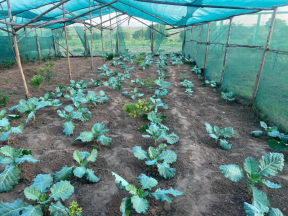
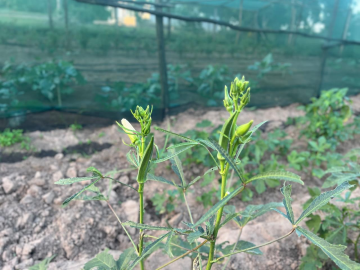
A major highlight this month has been the maize demonstration plot, which performed remarkably well throughout the growing season. The maize has reached maturity, and we are currently waiting for the crop to dry before harvesting. Once harvested, we will conduct a detailed yield assessment and make observations to inform future production planning and farmer recommendations.
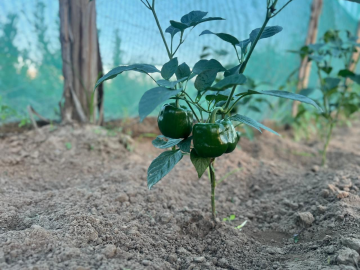
To ensure continuous production, we have also started transplanting a new batch of kale and amaranthus seedlings from the nursery. This will maintain consistent crop availability while demonstrating staggered production techniques to farmers.
Key Highlights
∙ Capsicum, okra, kale, and amaranthus performing well.
∙ Maize demonstration plot successfully reached maturity.
∙ Awaiting maize drying for harvesting and yield assessment.
∙ New kale and amaranthus seedlings being transplanted from the nursery.
2. Poultry and Hatchery Development
During the month, we successfully loaded 500 eggs into the incubator, marking an important milestone in our hatchery operations.
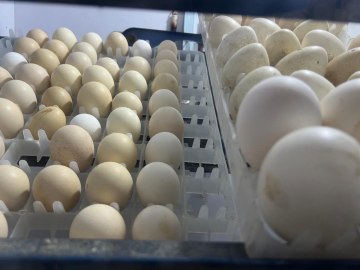
The incubation process is progressing well, and we are optimistic about achieving good hatchability rates. This effort supports our objective of increasing poultry production and strengthening the farm’s role as a demonstration and learning center for climate-smart livestock production.
Key Highlights
∙ Incubator fully loaded with 500 eggs.
∙ Incubation process underway.
∙ Expansion of poultry production capacity progressing as planned.
3. Water Infrastructure and Azolla Production
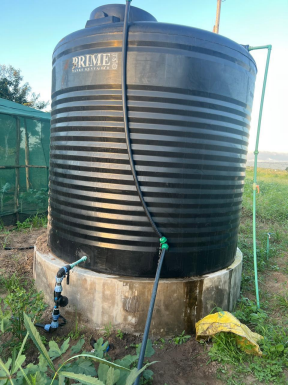
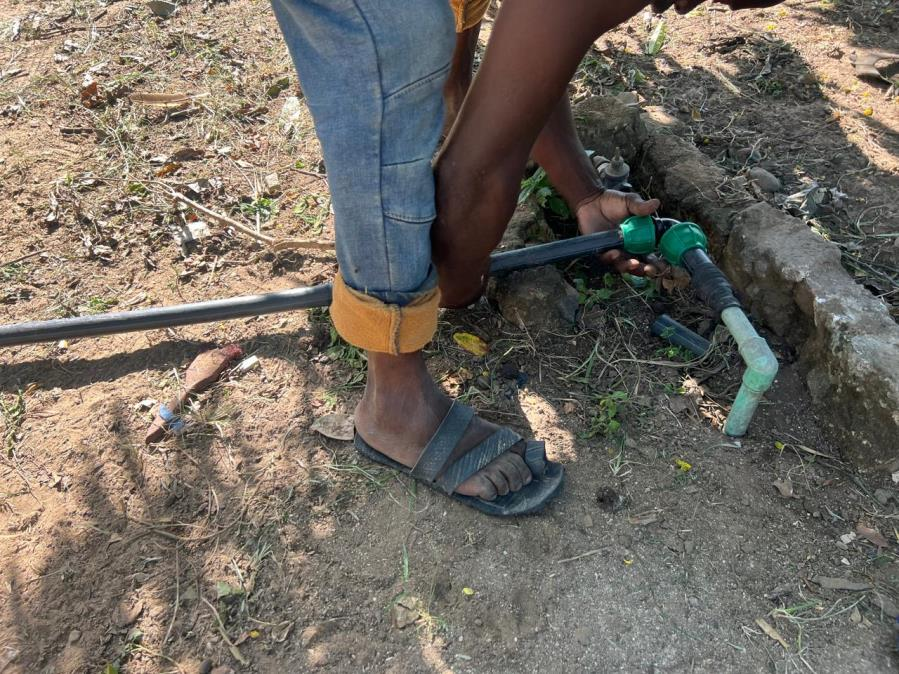
Significant progress was made in improving water access across the farm. The piping works were successfully completed, allowing water to be pumped directly to the Azolla production ponds.
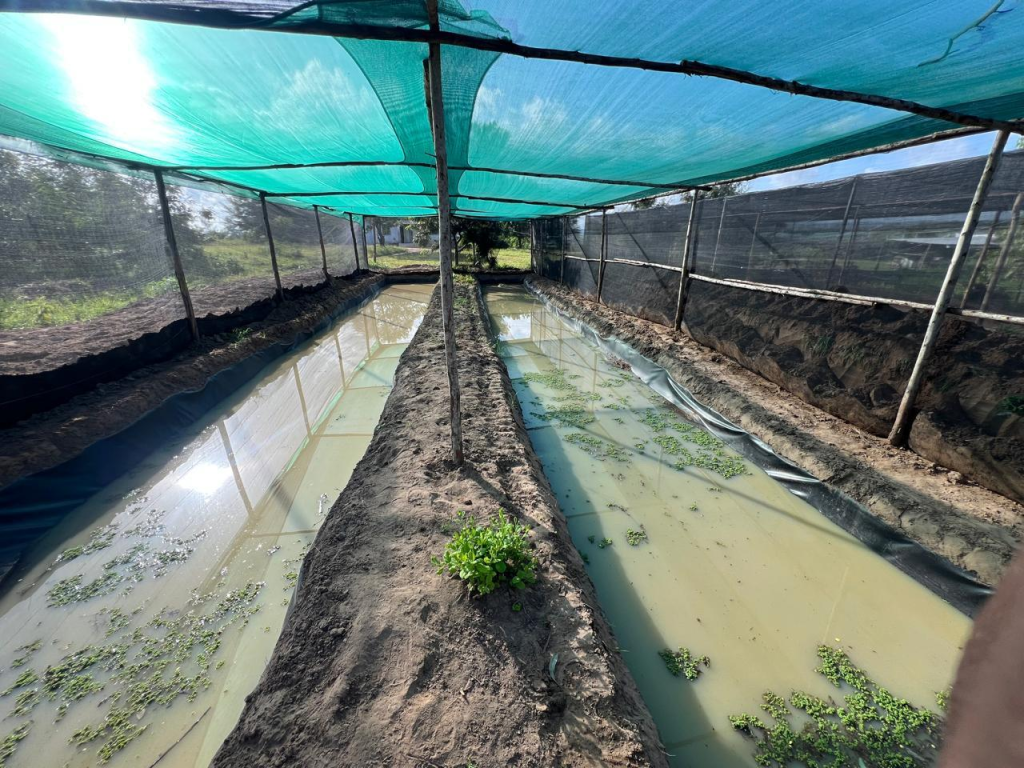
Following the completion of the water system, Azolla was introduced into the ponds. We expect positive growth and multiplication in the coming weeks as we begin building a sustainable feed production system. Azolla will play a critical role in reducing feed costs while improving the nutritional quality of livestock and poultry feed.
Key Highlights
- Water piping installation completed.
- Water successfully pumped to Azolla ponds.
- Azolla introduced and established in production ponds.
- Foundation laid for climate-smart feed production.
4. Feed Production Initiative
The feed-making component is now entering the operational stage. During the month, we conducted a successful demonstration of the pellet-making machine. The equipment performed well, confirming its readiness for use in producing quality livestock and poultry feed.This milestone marks the beginning of our journey towards local feed production, which is expected to improve farm sustainability and reduce operational costs.
Key Highlights
- Pellet-making machine demonstration completed successfully.
- Equipment tested and ready for operational use.
- Preparations underway for feed production activities.
5. Organizational Development and Volunteer Engagement
On the organizational side, we conducted an orientation meeting for our volunteers. The session focused on introducing Climate Care CBO’s mission, programs, operational procedures, and expectations for volunteer engagement.
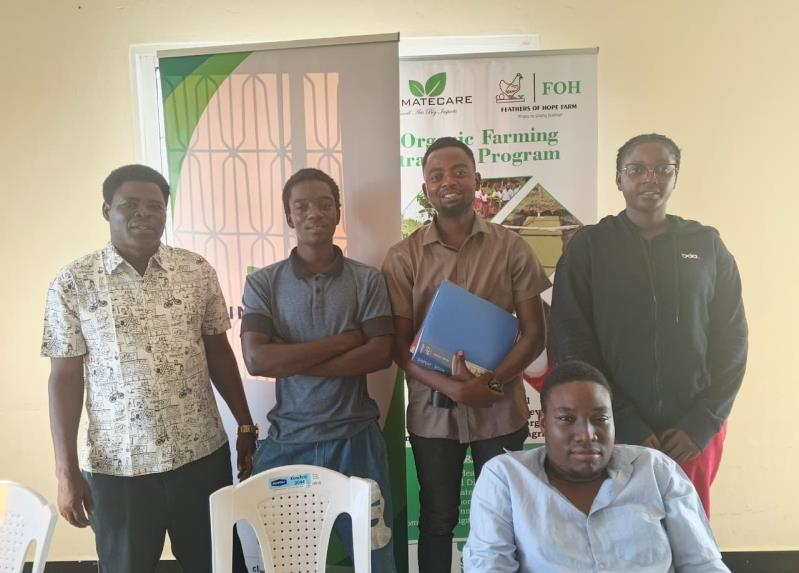
As part of our strategy to increase outreach and improve operational efficiency, we welcomed three new volunteers to the team. Their addition will strengthen program implementation, community engagement, and overall organizational capacity.
Key Highlights
- Volunteer orientation meeting successfully conducted.
- Three new volunteers recruited and onboarded.
- Increased organizational capacity and outreach potential.
Prepared By Constatine Charo Tsuma
FOH Project Manager